
Why is my dog barking? What’s he trying to say? If I only knew. There are many useful and valid reasons for a dog to bark, but when it becomes constant, often we’re left frustrated and perplexed. Think of a parent holding a crying newborn all night. Is she sick? Is she acting spoiled? Like any concerned parent we would search until the answer was found. Unfortunately, as doggie parents, we’re not always as persistent. Too often owners blame their dog, calling him “naughty” or buying shock collars in desperation. But dogs don’t bark for the sake of barking. Our job is to play detective, dig deeper, and find out why!
Dogs are actually talking to us all the time (through vocalization and body language), even though most owners don’t understand what their dog is trying to say. Like words, different barks vary in tone, pitch, and intensity (speed), and carry different meanings. Decoding the meaning is essential to solving the mystery. Watch this 2 minute video for more insight. Then scroll down and follow the clues to gain insight into why your dog may be barking.
Clues to why dogs bark.
Dogs may bark when they have unmet needs— i.e. hunger, thirst, a wound that needs attention, the need to go out to potty, to run and play, the need for companionship. A caring owner watches what his dog is trying to communicate and acts accordingly. There are also breed-specific needs. The Cavalier King Charles Spaniel, for example, is described as a “people-oriented” breed and bonds especially closely with its owners. Left alone for long periods, they become easily stressed, whine, and may bark.
Dogs may bark if they don’t have a fulfilling activity. Most breeds had a job to fulfill long ago, such as herding or hunting. Today, however, many dogs sit around bored all day, which can result in negative behaviors, including constant barking. Hiring a herd of sheep to occupy our dog may not be feasible, but there are countless activities which can help—i.e. daily walks, playing fetch, agility, obedience, doggie day care, dog parks. I used to take my Labrador for a weekly swim. Be creative. Almost any form of exercise can be fulfilling! Don’t be deceived by the “lap dog” description for the breeds such as the Cavalier King Charles Spaniel. Considered a “Sporting Toy breed,” they also need a fair amount of exercise.
Dogs can be territorial, it’s their instinct. Dogs will bark at strangers entering their territory and may continue until either the stranger leaves or is accepted by the owner. This territorial greeting can be useful and warn of danger. Some dogs also display a claim to their territory by showing concern for their pups or toys. As their leader, we must know when to intervene and communicate what we expect.
Dogs may bark when excited— i.e. feeding time, play time, the arrival of company. A perfect example comes to mind. I call it my “doggie doorbell.” At the sound of the bell a choir of excited barks and wagging tails begins and will not end until each of my dogs has been adequately greeted in royal fashion. Dog owners often spell words like “walk” or “treat” to prevent unnecessary barking, only to discover their dogs can spell. Others own a magical treat jar. Simply jiggling it can set off barks of joy. It’s quite entertaining! Fortunately, the barking stops when the excitement ends.
So how do we react when faced with a “barky dog”?
Scolding out of frustration or anger will only bewilder or scare him. Be patient, persistent, and observe your dog. Consider the context in which he is barking. What’s going on around him? Is there a need you can meet? It’s up to us to manage any constant barking behavior by finding the cause and offering a solution. If the mystery is too complex, consult a trainer, or veterinarian. In the meantime, here are 6 things you can do:
- Listen carefully to his bark and observe his body language.
- Consider the context (i.e. is a stranger walking through your yard?)
- Remain calm.
- Make sure his needs are met (i.e. potty breaks)
- Redirect his attention to something else.
- Use positive dog training techniques if you need to correct behavior.
Good communication seems to be the key to all lasting relationships, even with our dogs. I don’t believe there are “bad” dogs, only dogs with unmet needs living in a world where they are misunderstood. Once we understand the clues, the mystery of the barky dog can be solved and we can write our own happy ending!
Recommended reading
Learning to Speak Dog: The Meaning of your Dog’s Barks
What to do About Your Barking Dog
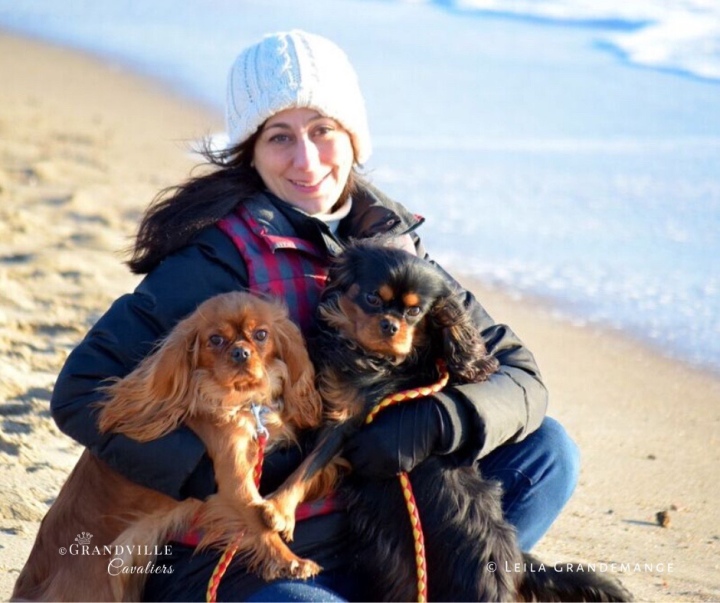
About the Author
Inspirational author Leila Grandemange is a devoted wife, mom, and dog mom. She writes faith stories for pet lovers and creates record and resource books for dog owners, canine sports, and breeders. As a member of the Dog Writers Association of America (DWAA), Leila has been honored with the AKC Responsible Dog Ownership Public Service Award, the Maxwell Book Award in Canine Training and Sports, and multiple award nominations.
Before venturing into the writing world, Leila enjoyed a unique journey as a professional ballet dancer, later earning a B.A. in Christian Education and a degree in Dance. Throughout life’s winding path, dogs have been her constant companions, offering comfort, joy, and countless adventures in canine sports! Discover Leila’s books on her Amazon Author Page.
All content © Leila Grandemange, PawzandPray.com. Unauthorized use and/or duplication of this material without express and written permission from this site’s author and/or owner is strictly prohibited. Short Excerpts and links may be used, provided that full and clear credit is given to Leila Grandemange and PawzandPray.com with appropriate and specific direction/link back to the original content. Thank you for your understanding. Guidelines for Republishing
 Pawz and Pray